Dinas Damkar Pesisir Barat Tindak Lanjut Permintaan Rumah Sakit untuk Hapus Sarang Tawon
Dinas Damkar Pesisir Barat: Tindak Lanjut Permintaan Rumah Sakit untuk Hapus Sarang Tawon
Dinas Damkar Pesisir Barat, the fire and rescue department of Pesisir Barat Regency, plays a crucial role in maintaining public safety and health within the region. Recently, they undertook a significant operation responding to a pressing request from a local hospital regarding the urgent need to remove a beehive within the hospital premises. This situation highlights the importance of inter-agency cooperation in addressing community health concerns.
The initial call for action came from the hospital staff, who reported the alarming presence of a wasp nest located near an access point frequently used by patients and medical personnel. The potential threat posed by the nest, housing numerous wasps, was significant, posing risks such as allergic reactions, stings, and other related injuries. In response, Dinas Damkar Pesisir Barat quickly mobilized a specialized team equipped with necessary tools and safety gear to assess and address the situation.
Upon arrival, the team conducted a thorough risk assessment of the area. It is important to note that different types of wasps have varying degrees of aggressiveness and behavior; hence, understanding the specific species involved is vital. After a detailed inspection, it was determined that the nest belonged to a species known for its defensiveness when threatened. The assessment also included evaluating the vicinity of the nest, identifying patients and staff traffic, and ensuring a comprehensive safety plan was in place.
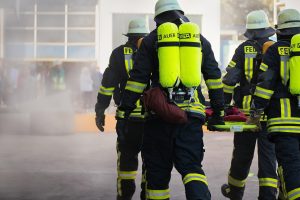
Safety is paramount in any operation that involves potentially dangerous insects. The Dinas Damkar team utilized safety protocols developed to mitigate risks. Personnel donned protective clothing, including gloves, face shields, and bee suits, to prevent stings. The operation also required coordination with hospital personnel to restrict access to affected areas while the removal took place.
The removal process involved several key steps, executed systematically to ensure both safety and efficiency. First, the team prepared the necessary equipment, which included pesticide specifically formulated for treating wasps, as well as tools for nest removal. Utilizing a long stick, the team carefully approached the nest, spraying the pesticide from a safe distance to neutralize the threat before attempting to dispossess the structure.
Once the wasps were incapacitated, the team proceeded with the extraction of the nest. This part of the operation required immense caution; getting too close could provoke any remaining wasps. After successfully securing the nest, the team disposed of it in a manner compliant with environmental and health regulations, thus preventing any potential hazards in the future.
The quick and effective actions of Dinas Damkar Pesisir Barat did not just solve an immediate threat; they also reassured patients, staff, and the community that their safety and well-being are top priorities. In the wake of their successful intervention, the hospital expressed gratitude for the prompt response and professionalism demonstrated by the fire department, highlighting the importance of collaboration in community health matters.
In addition to addressing the immediate concern of wasp nests, Dinas Damkar Pesisir Barat is committed to ongoing education and awareness regarding wasp safety and prevention. The department actively engages with the community to provide information on identifying potential insect hazards, first aid for stings, and the importance of reporting such nests promptly to prevent accidents.
The coordination between Dinas Damkar Pesisir Barat and the local hospital represents a model for future interdisciplinary efforts in addressing health and safety issues. Such partnerships play an essential role in fostering a sense of security among the population while reinforcing the idea that public health is a shared responsibility.
Moreover, this incident illustrates the wider implications of pest control in urban areas. With increasing human encroachment into natural habitats, confrontations with wildlife—including wasps—are becoming more common. Hence, municipalities like Pesisir Barat must implement appropriate strategies to educate residents about the environmental impact of uncontrolled pest proliferation and the importance of reporting these issues proactively.
In order to further mitigate the risk of wasp nesting in sensitive areas like hospitals, Dinas Damkar is exploring preventive measures, including regular inspections and public education campaigns. By informing the community about proper landscaping practices and waste management, public health officials can reduce the attraction of wasps to human habitations.
Finally, the successful removal of the wasp nest serves as a compelling reminder that vigilance is essential in maintaining safety in public spaces. By averting potential hazards that arise from the natural world, Dinas Damkar Pesisir Barat underscores the important intersection of emergency response, health safety, and community cooperation. Their actions exemplify how targeted, timely intervention can effectively safeguard the well-being of individuals and the larger community, ensuring safe environments for all.
Through ongoing training, readiness for emergencies, and commitment to public service, Dinas Damkar Pesisir Barat remains a crucial ally in creating a safer environment for the people of Pesisir Barat. Their proactive approach can serve as a model for other regions facing similar challenges, promoting a culture of prevention and community engagement in public health initiatives.